From Rishon Malon, guests can easily reach places of great historical, cultural, and architectural value on foot. Just steps from the property lies the beautiful Piazza della Repubblica, home to the monumental Fountain of the Naiads.
Nearby attractions also include the National Roman Museum Palazzo Massimo, the Planetarium, the Basilica of Santa Maria degli Angeli e dei Martiri, restored by Michelangelo Buonarroti within the Baths of Diocletian, and the Papal Basilica of Saint Mary Major.
From Piazza della Repubblica, Via Nazionale begins: one of Rome’s main shopping streets, home to Palazzo delle Esposizioni. Walking along it, guests can reach some of Rome’s most iconic landmarks, such as the evocative Trajan’s Column, the Imperial Forums, and Piazza Venezia. A little further away, yet easily reachable in just two metro stops, are the Colosseum and the Palatine Hill, in the heart of Imperial Rome.
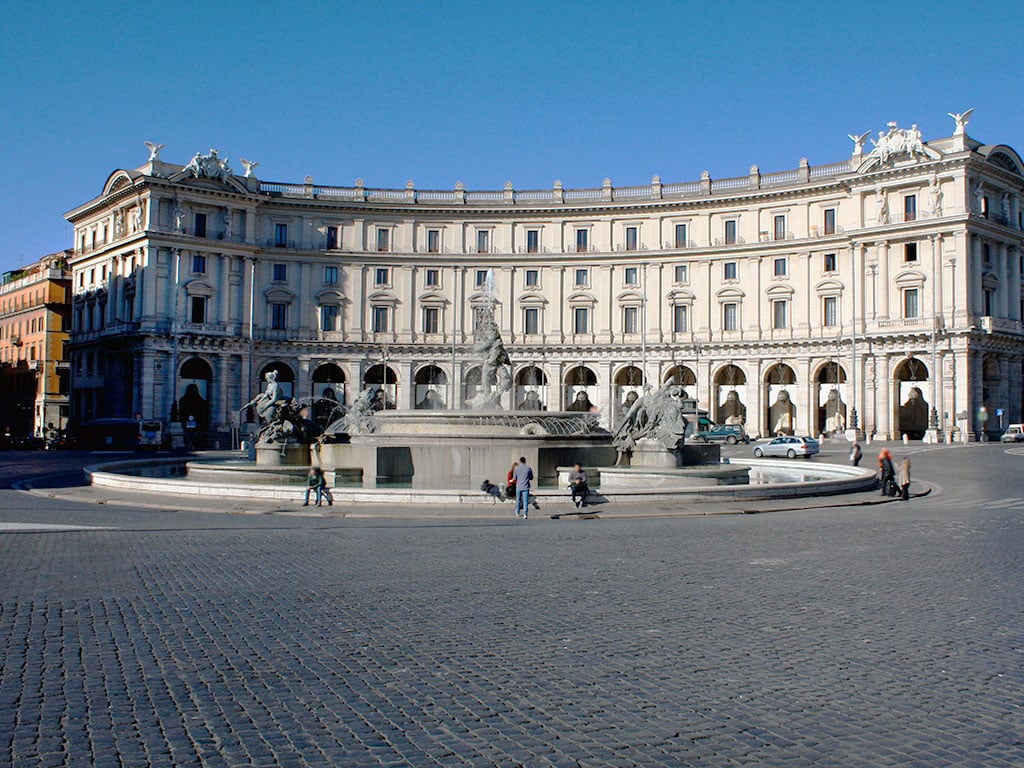
Piazza della Repubblica is located approximately 1 km away. Once known as Piazza Esedra, its name referred to the exedra of the Baths of Diocletian. The square is home to the Fountain of the Naiads, featuring four bronze groups with nymphs symbolising water. Overlooking the square is the Basilica of Santa Maria degli Angeli e dei Martiri, designed by Michelangelo Buonarroti, while the Repubblica stop on metro line A is another key transport hub for reaching Rome’s main attractions.
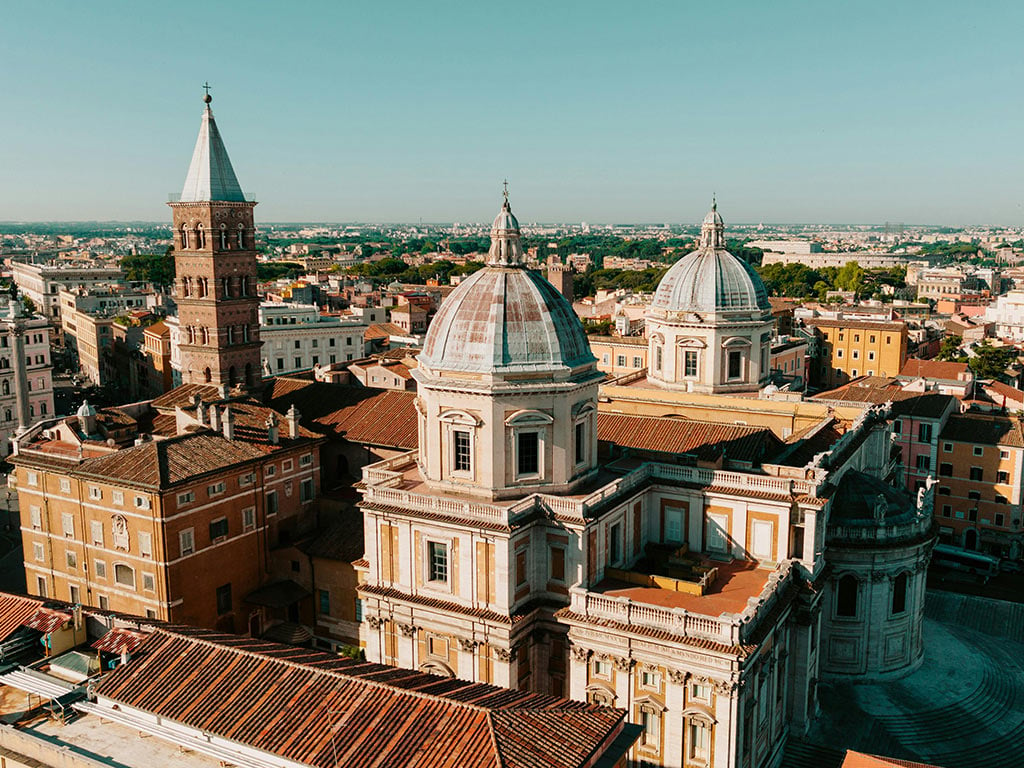
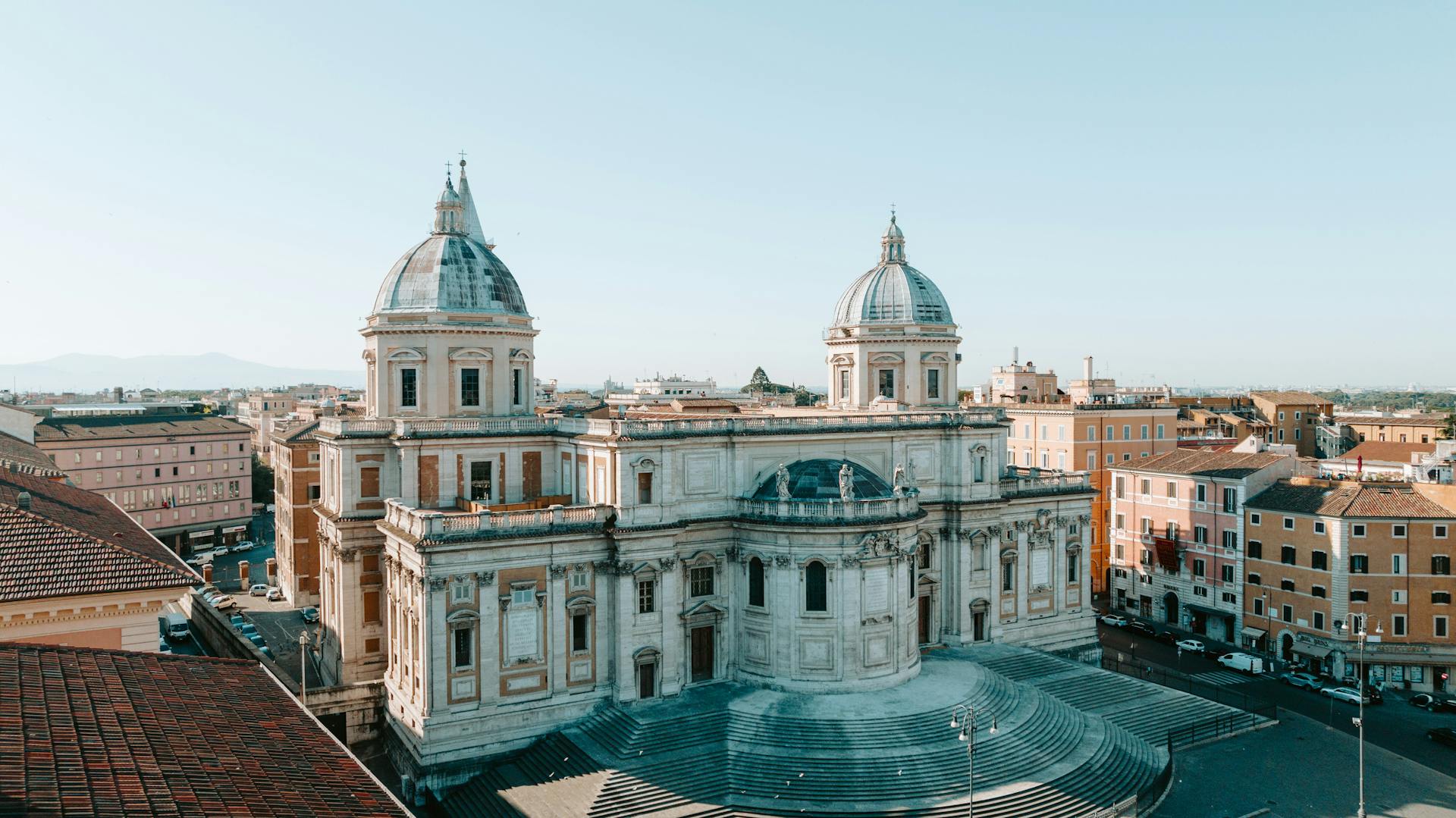
A 15-minute walk from Rishon Malon takes you to the Papal Basilica of Saint Mary Major, one of Rome’s four papal basilicas, built on the Esquiline Hill. Inside, it houses the Salus Populi Romani, the relics of the Holy Crib, and the tombs of seven popes. It is a place where art, history, and spirituality come together in an imposing and majestic architectural complex, whose 75-metre bell tower is the tallest in Rome.
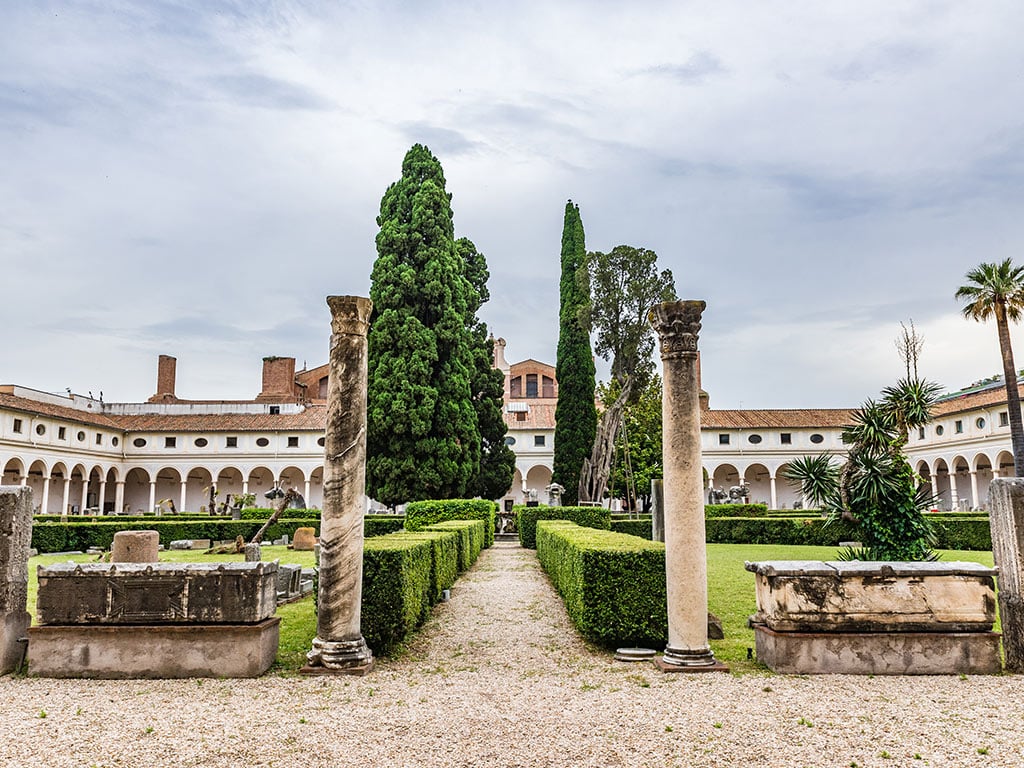
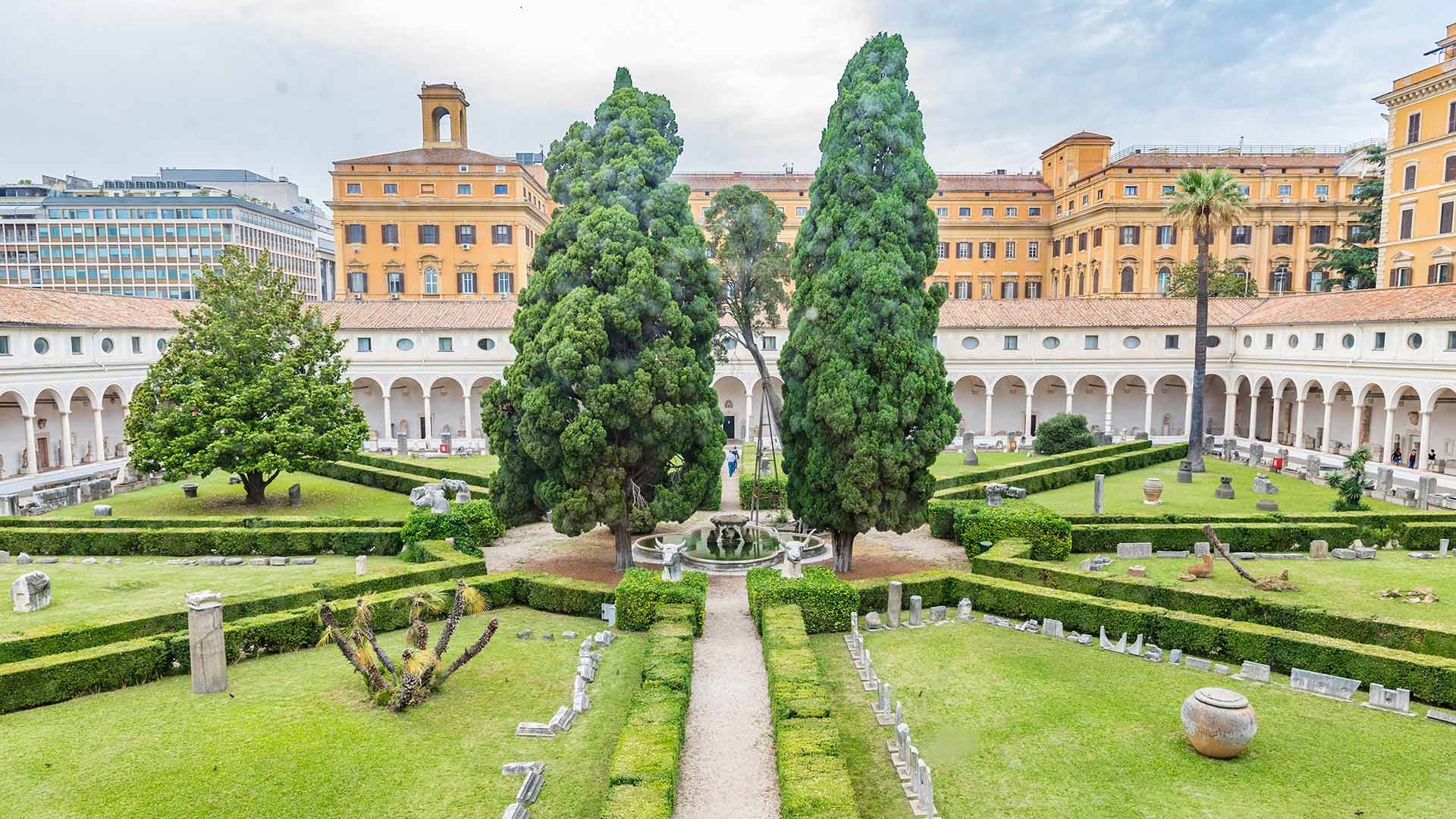
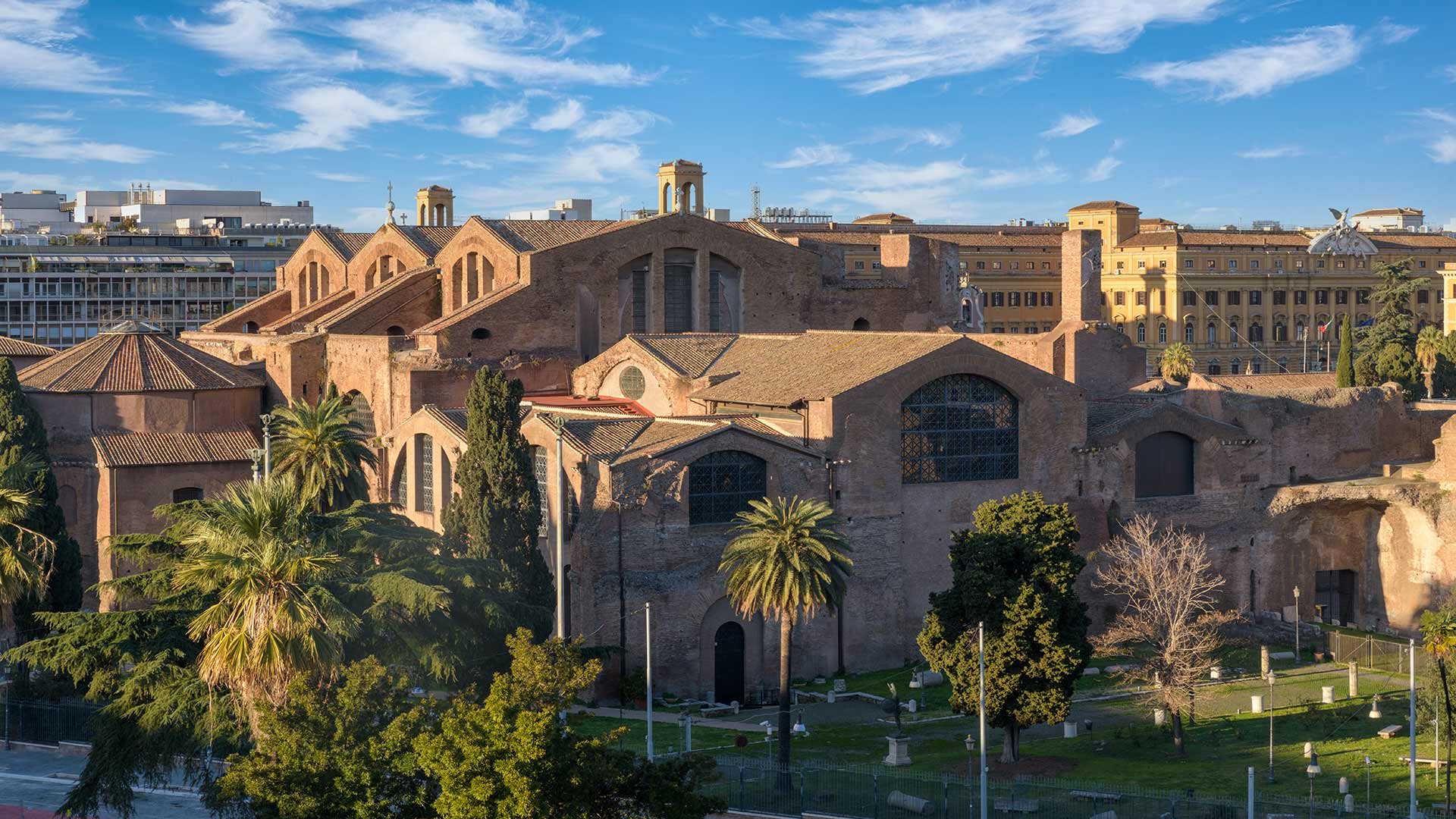
Still in the Castro Pretorio district, you will find the Baths of Diocletian, a monumental complex of great historical value dating back to the reign of the emperor of the same name, in 305 AD. Decorated with mosaics and sculptures, the baths once covered approximately 13 hectares and included spaces such as the tepidarium, calidarium, library, and gymnasium. After 30 years of restoration, the Baths of Diocletian were incorporated into the National Roman Museum, and today visitors can explore some of the sections that have survived over time.
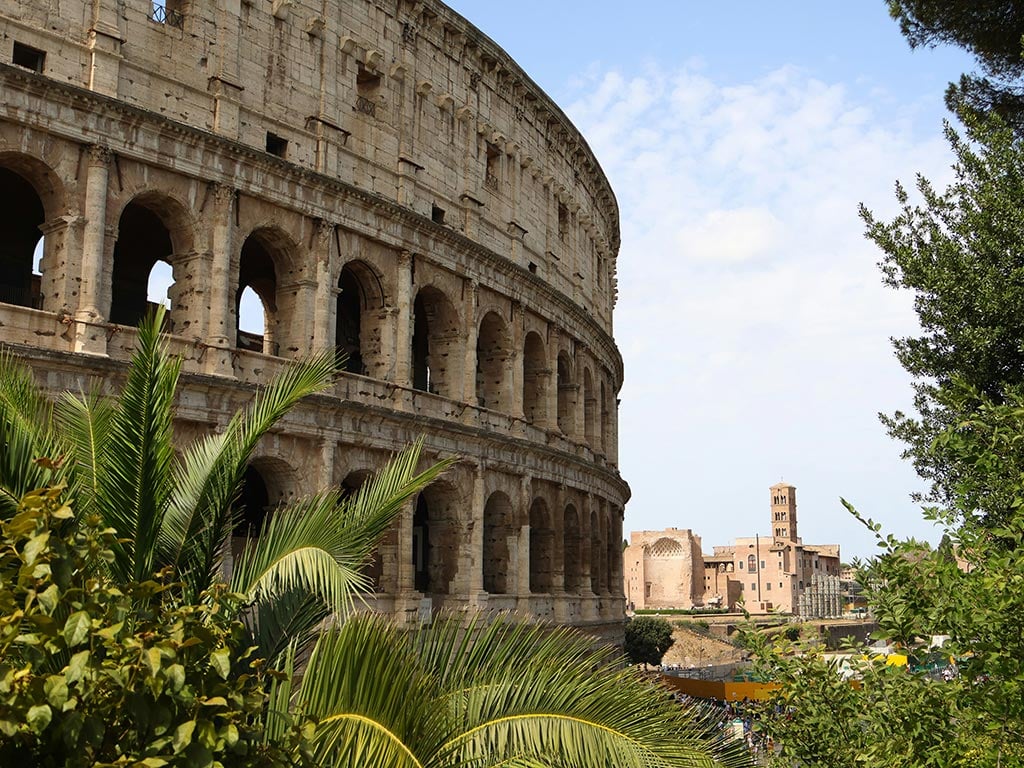
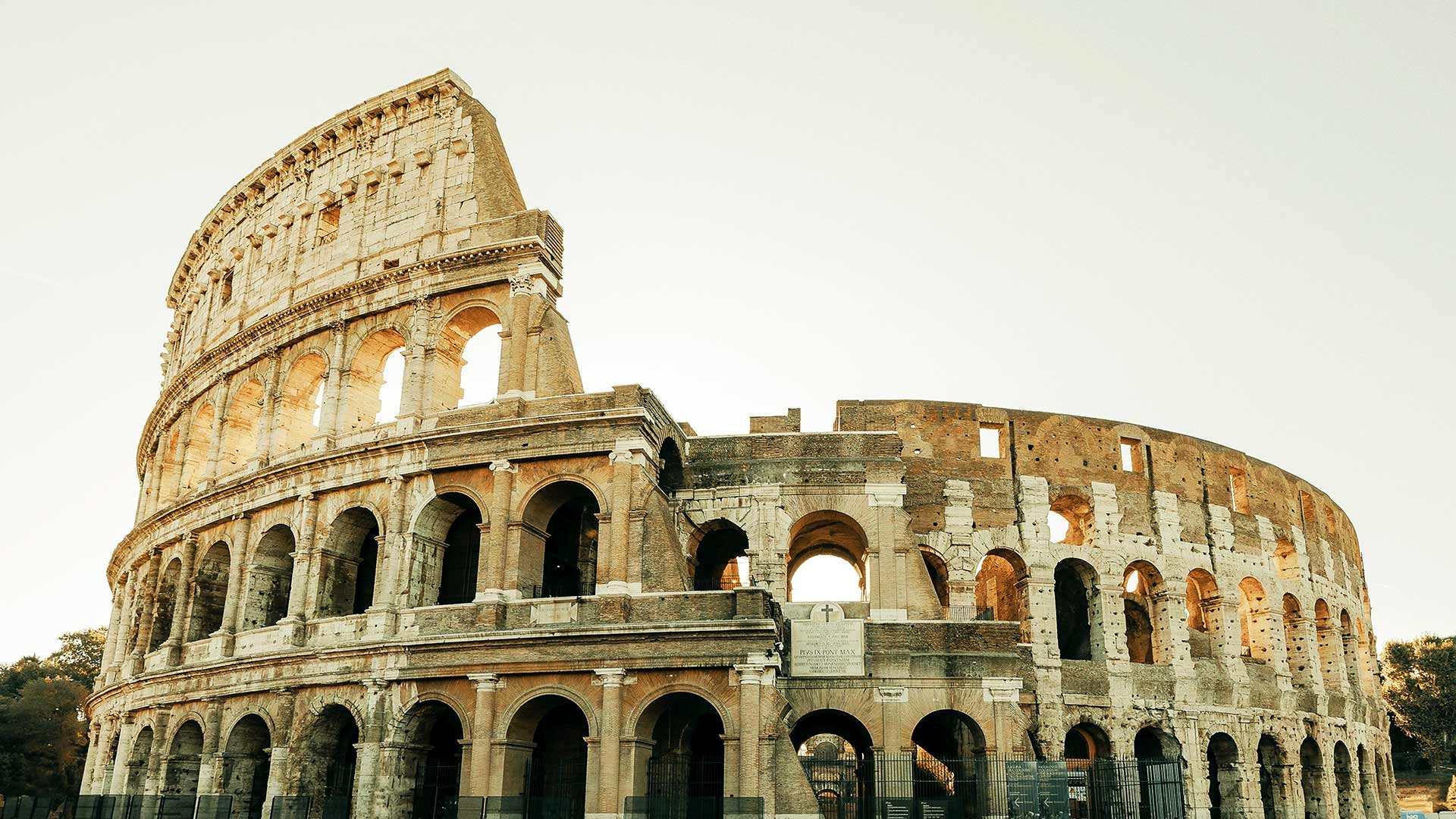
With just two metro stops, guests can reach the iconic Colosseum, also known as the Flavian Amphitheatre, which, together with the Imperial Forums and the Palatine Hill, forms the heart of Imperial Rome. Built in 70 AD, the monument once hosted games and gladiator fights and today attracts thousands of visitors from all over the world. Surrounded by the Palatine Hill, where the residences of the Roman aristocracy once stood, it is located just a short distance from the Imperial Forums, still an undisputed symbol of Rome’s grandeur.